Lube, condoms and toys: the three rules worth knowing
Short, sourced and practical. Everything here comes from the NHS pages on condoms and STIs.
Sources checked Nov 20, 2026. Written by Jules Marlow (a pen name).
Rule 1: no oil with latex
The NHS says: “do not use oil-based lubricant with latex condoms – use water-based or silicone-based lubricant instead.” Latex allergy? The NHS says not to use latex condoms; the packet says what a condom is made of.
Rule 2: a new condom for every person on a toy
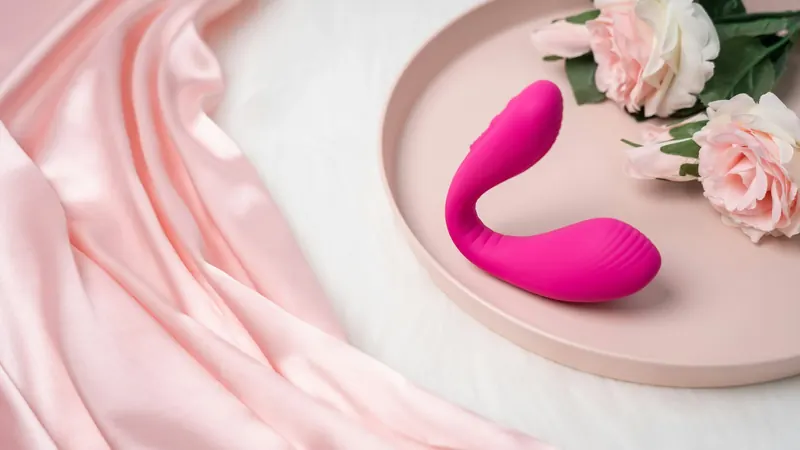
The NHS notes that some people put condoms on sex toys, and its STI pages say if you share toys, “wash and cover them with a new condom before anyone else uses them.” It also says to use a new condom every time, never two at once (they can split), and to check the use-by date.
Rule 3: know what to do if one splits
The NHS says to get urgent help from a pharmacist, sexual health clinic, 111 or a GP if a condom splits or comes off during sex, as you may need emergency contraception or an STI test.
Toy material and lube
Which lube suits which toy material is a separate question; follow the maker’s instructions, and see our materials and cleaning guide. Our care shelf lists lubes by type.
Talk to your doctor
This page restates NHS guidance. It isn’t medical advice. If a condom breaks or you’re worried about an STI, talk to a pharmacist, your doctor or a sexual health clinic.
Quick answers
Can I use oil-based lube with condoms?
Not with latex condoms. The NHS says to use water-based or silicone-based lubricant with latex instead.
Is silicone lube safe with latex condoms?
Yes. The NHS names water-based and silicone-based lubricants as the ones to use with latex condoms.
Should I put a condom on a sex toy?
If you share it, yes. NHS STI pages say to wash it and cover it with a new condom before anyone else uses it.
What if a condom breaks?
The NHS says to get urgent help from a pharmacist, sexual health clinic or GP, as you may need emergency contraception or an STI test.
Sources
- NHS: Condoms (page last reviewed 26 January 2024): https://www.nhs.uk/contraception/methods-of-contraception/condoms/, checked Nov 20, 2026
- NHS: Chlamydia (page last reviewed 24 October 2024): https://www.nhs.uk/conditions/chlamydia/, checked Nov 20, 2026
We restate only what each source says, and link to it so you can read it yourself.