Trouble reaching orgasm? You’re far from alone
Mayo Clinic says the frequency and intensity of orgasms vary between women, and from one time to the next. If it isn’t happening the way you’d like, here’s what its guide says, including why vibrators come up.
Sources checked Nov 20, 2026. Written by Jules Marlow (a pen name).
First: variation is normal
Mayo Clinic says that among women “the frequency and intensity of orgasms vary,” and that the type and amount of stimulation needed varies too. It also says that if not always reaching orgasm doesn’t bother you, “the lack of an orgasm is not considered a disorder.”
Penetration alone often isn’t enough
Mayo Clinic explains that penetration only stimulates the clitoris indirectly, which “may not be enough stimulation for orgasm. Many women may also need direct manual or oral stimulation of the clitoris to reach orgasm.” The NHS says the same in its page on men’s sexual problems: some women need manual or oral stimulation to climax. If that’s you, that’s ordinary anatomy. Nothing is broken.
What doctors call anorgasmia
Mayo Clinic defines anorgasmia as delayed, infrequent or absent orgasms, or much less intense ones, after enough arousal and stimulation, when it causes significant distress. It can be lifelong, acquired (new), situational (only with certain partners or kinds of stimulation) or generalized.
Common reasons it happens
- Knowledge and feelings: not knowing much about sexual stimulation, poor body image, guilt or embarrassment about sex, stress, anxiety or depression.
- The relationship: lack of emotional intimacy, unresolved conflict, or poor communication of sexual needs and preferences.
- The body: conditions such as diabetes or multiple sclerosis, gynecological surgery, changes after menopause, alcohol and smoking.
- Medicines: Mayo Clinic names blood pressure medicines, antipsychotics, antihistamines and antidepressants, “particularly selective serotonin reuptake inhibitors (SSRIs).”
It often travels with dryness, pain or low desire. We have plain guides to low sex drive and body confidence.
Where vibrators come in
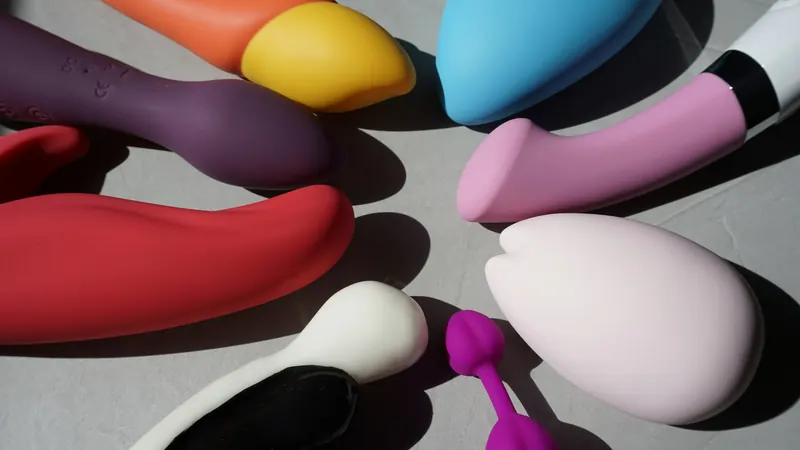
Mayo Clinic lists treatments that “can include education about sexual stimulation, sexual enhancement devices, individual or couple therapy, and medicines.” A 2018 best-practice paper by Mayo Clinic clinicians and colleagues opens: “Vibrators are an evidence-based treatment for a variety of sexual dysfunctions and sexual enhancement.” Its checklist for choosing one asks whether you want penetration, whether you need intense vibration (if so, a model with several speeds or intensities), whether a partner will join in (involve them in choosing), and whether privacy matters (cordless, waterproof, quieter).
We can’t tell you which toy, if any, is right for you. Our vibrators shelf, waterproof picks and remote and app picks list what each seller’s listing states.
Talk to your doctor
This page restates Mayo Clinic, NHS and published research. It isn’t medical advice. If orgasm problems are new, worry you, or come with pain, talk to your doctor; Mayo Clinic says to raise any concerns about your sex life.
Quick answers
Is it normal not to orgasm from penetration alone?
Yes. Mayo Clinic says penetration stimulates the clitoris only indirectly, and many women also need direct manual or oral stimulation to reach orgasm.
What is anorgasmia?
Mayo Clinic’s term for delayed, infrequent, absent or much less intense orgasms after enough stimulation, when it causes significant distress.
Can antidepressants make it harder to orgasm?
Mayo Clinic lists antidepressants, particularly SSRIs, among medicines that can inhibit orgasm. Don’t stop a medicine on your own; talk to your doctor.
Can a vibrator help you orgasm?
Mayo Clinic lists sexual enhancement devices among anorgasmia treatments, and a 2018 best-practice paper calls vibrators an evidence-based treatment for a variety of sexual dysfunctions.
Sources
- Mayo Clinic: Anorgasmia in women, symptoms and causes (Mayo Clinic Staff, Feb. 29, 2024): https://www.mayoclinic.org/diseases-conditions/anorgasmia/symptoms-causes/syc-20369422, checked Nov 20, 2026
- Rullo JE, Lorenz T, Ziegelmann MJ, Meihofer L, Herbenick D, Faubion SS. Genital vibration for sexual function and enhancement: best practice recommendations for choosing and safely using a vibrator. Sex Relation Ther. 2018;33(3):275–285 (full text, PMC7678780): https://pmc.ncbi.nlm.nih.gov/articles/PMC7678780/, checked Nov 20, 2026
- NHS: Ejaculation problems (page last reviewed 9 February 2023): https://www.nhs.uk/conditions/ejaculation-problems/, checked Nov 20, 2026
We restate only what each source says, and link to it so you can read it yourself.